A Successional Food Forest on the 20-year Plan

We moved to the house we live in in 2009. There was a large lawn on the three-acre property. I yearned to do something more in line with my ecological values, but I had several frustrating challenges.

The deer ate everything I planted, and the yard was too large for me to handle and convert successfully. I actually have been through several iterations, and I enjoy sharing what’s worked and what hasn’t with others who intend to do similar things. You can read more here and here and see updated photos on my Instagram account, @successionalforest

Before:

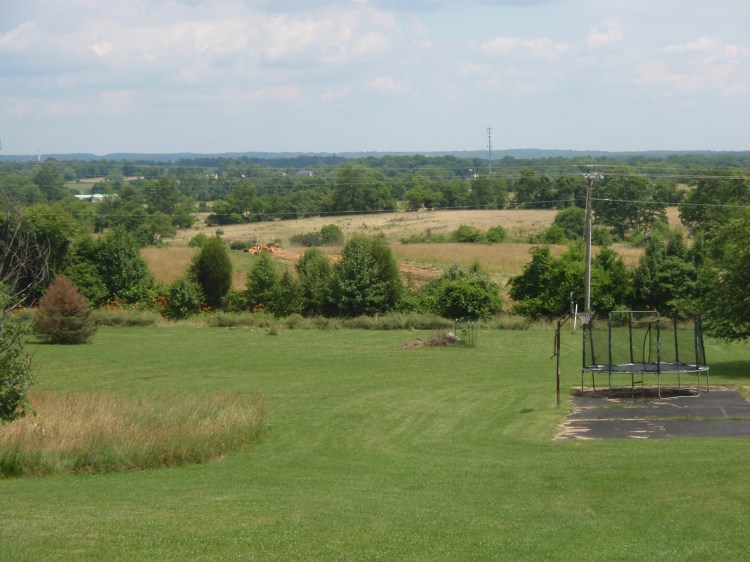
Vast lawn of 3 acres
Early attempts at meadow — a haven for the local deer to bed down and eat everything — even deer-resistant plants
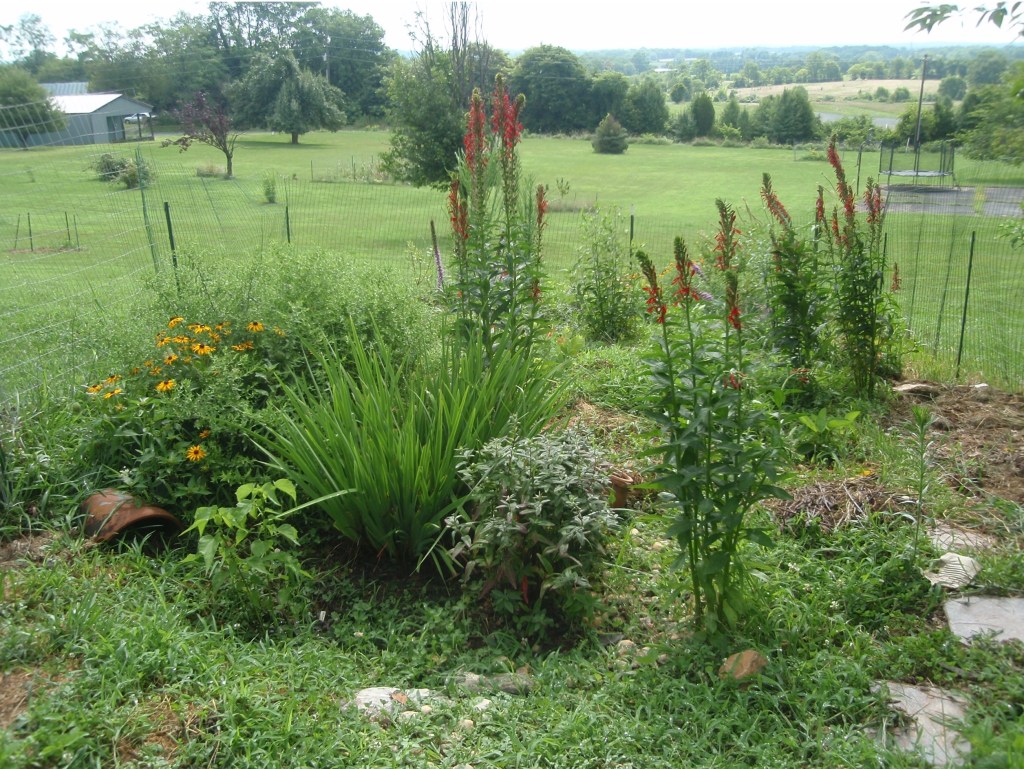
Early attempts to add natives to the yard

First few years:

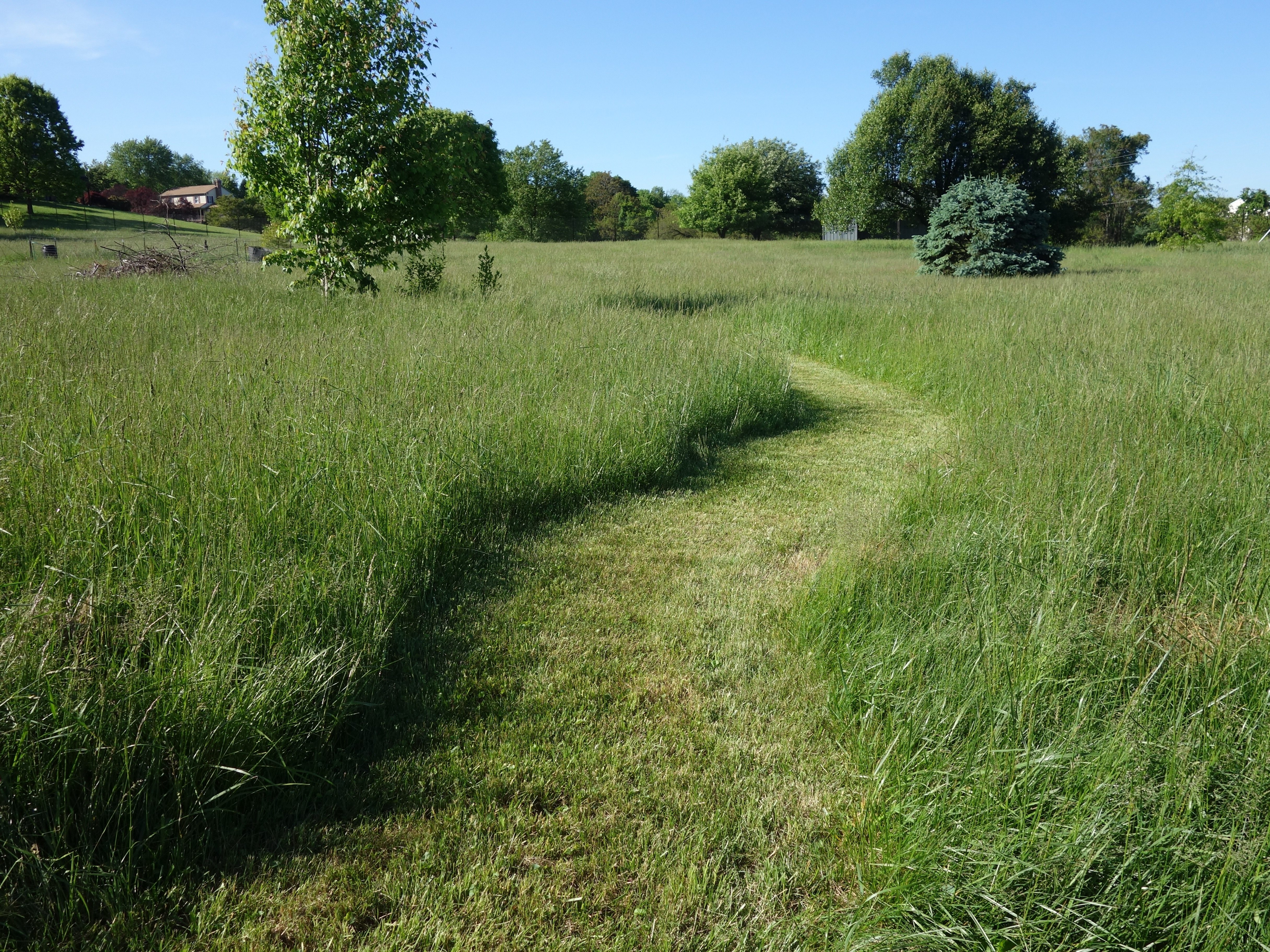
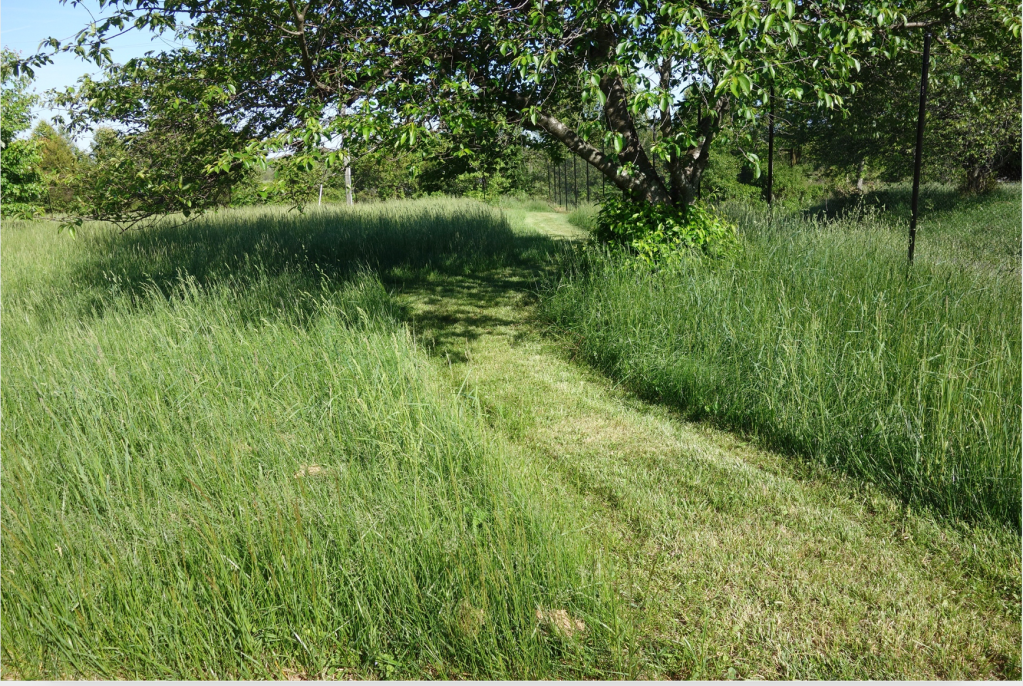
The first year we had beautiful nonnative fescue and other grasses growing up around the bare-root seedlings. The mowed paths were beautiful, but this stage was short-lived
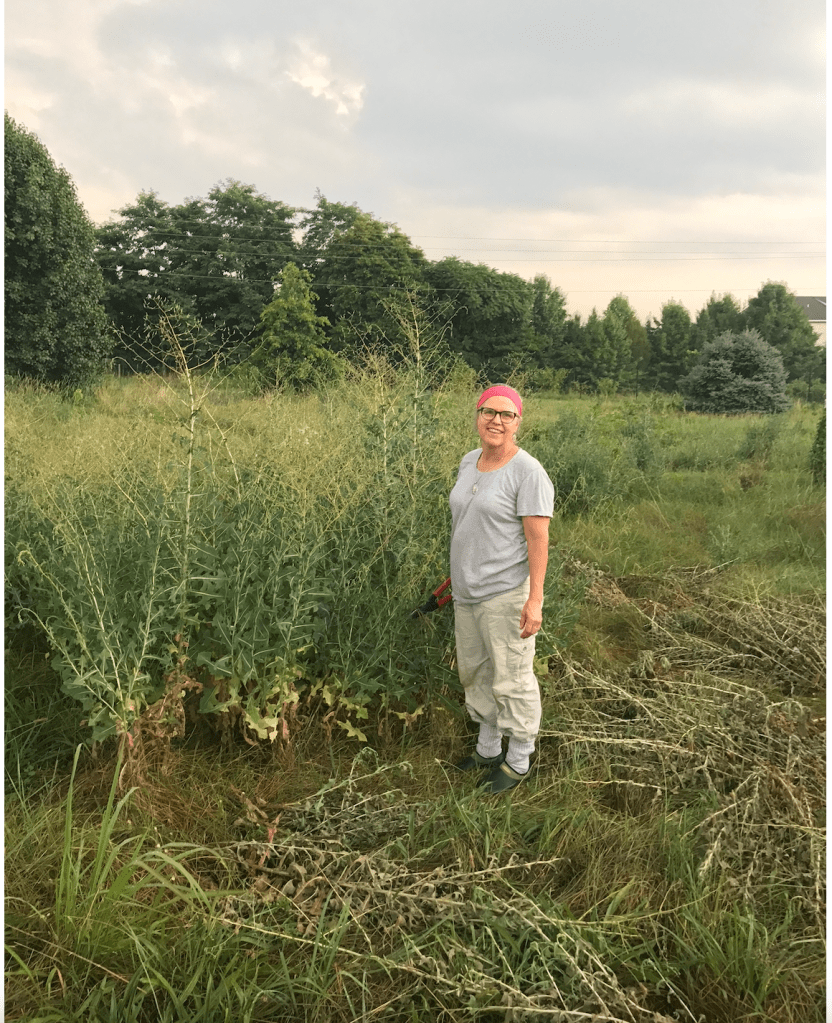
One summer early on I went away briefly and came back to acres of prickly lettuce. Constant management is key!
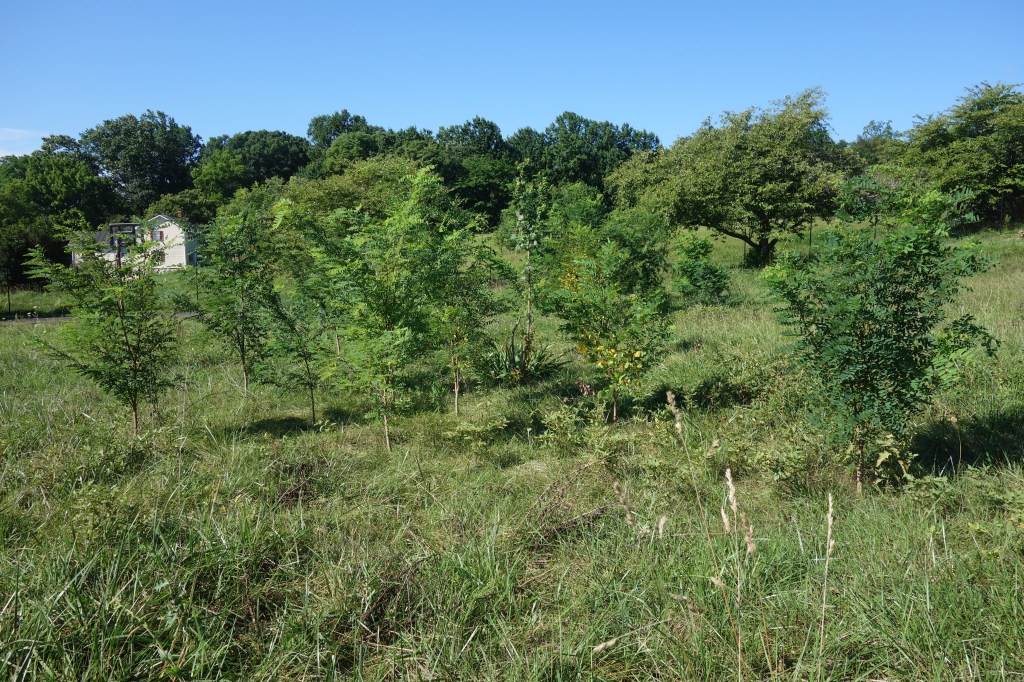
Allowing some messy chaos among the black locusts. Eventually I would decide that there were too many black locusts, blocking my view of everything else, and have them removed. They are wonderful in small amounts so I allow a couple volunteer black locusts.
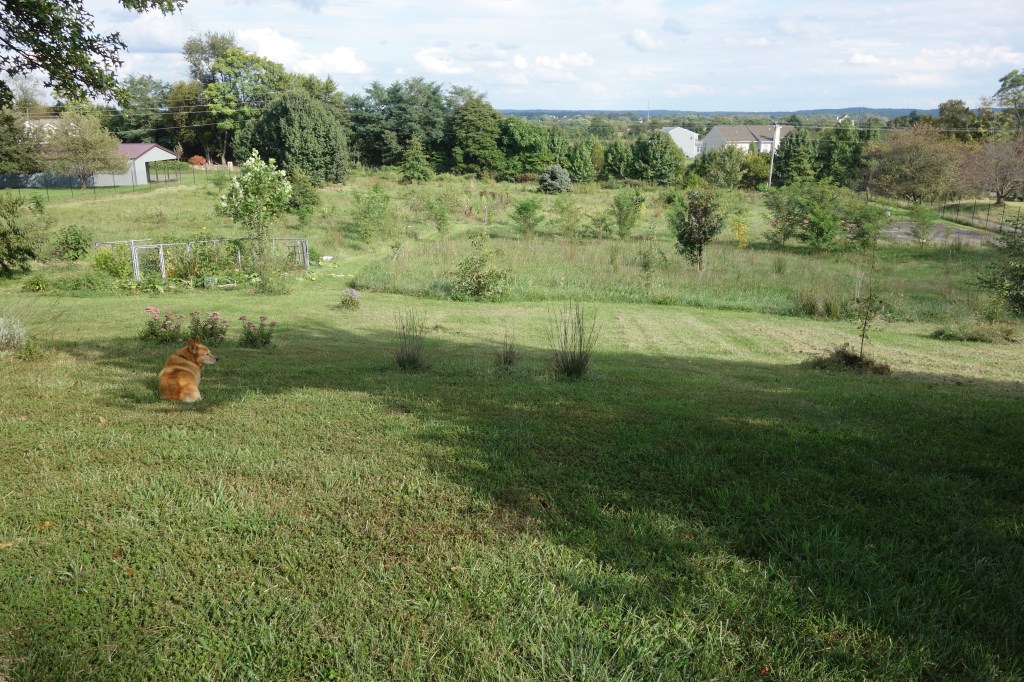
An early pastoral scene with Daxter surveying his yard when things were looking particularly tidy after a mowing. The yellow poplars — Liriodendron tulipfera — were volunteers, not planted, and they were doing great.

More pics to come!