The North American Fruit and Nut Tree conservation network explores how well North American native fruit and nut trees that are crop wild relatives of domesticated fruits are being conserved.
Fruit tree relatives targeted by the network:
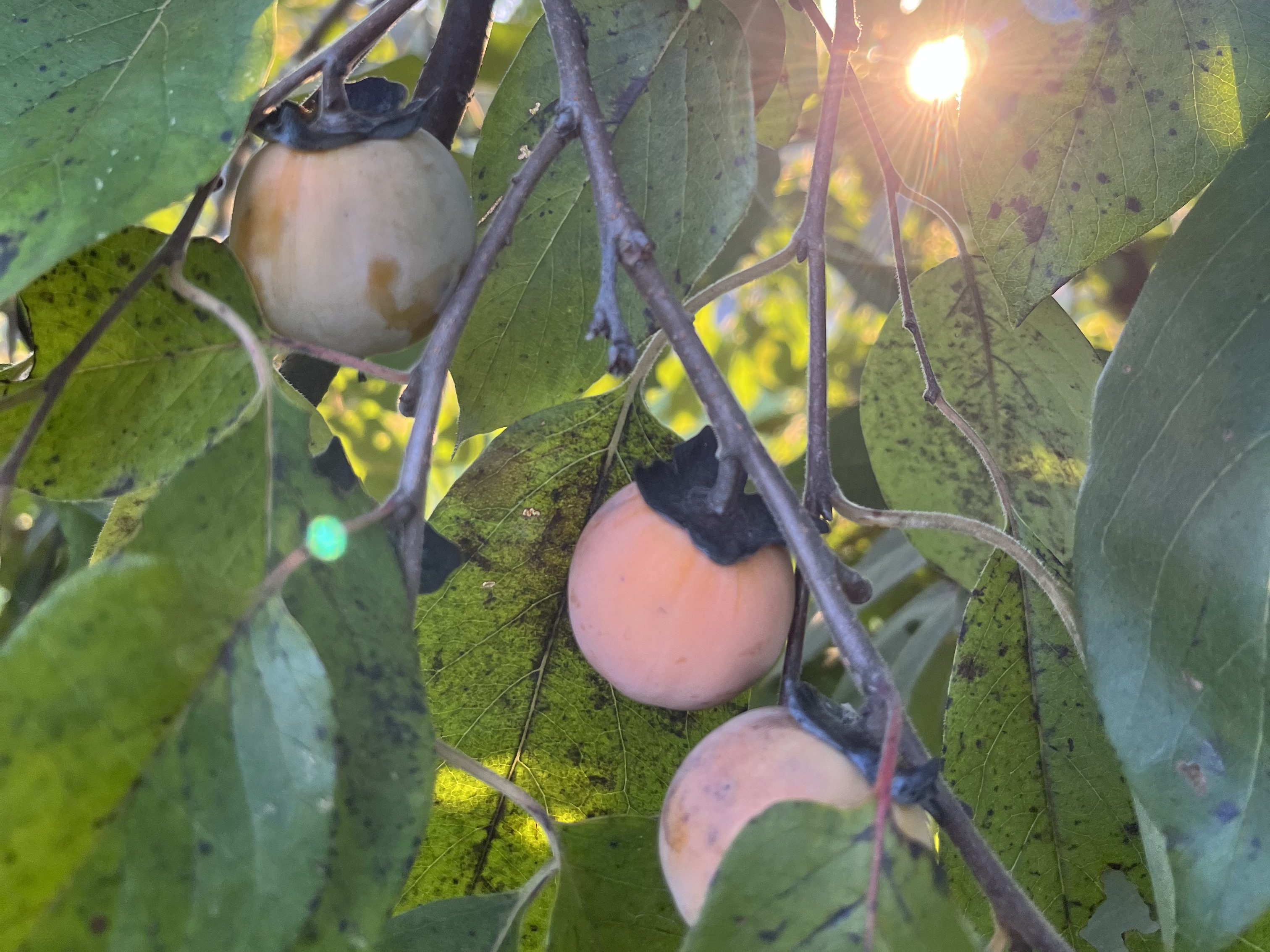
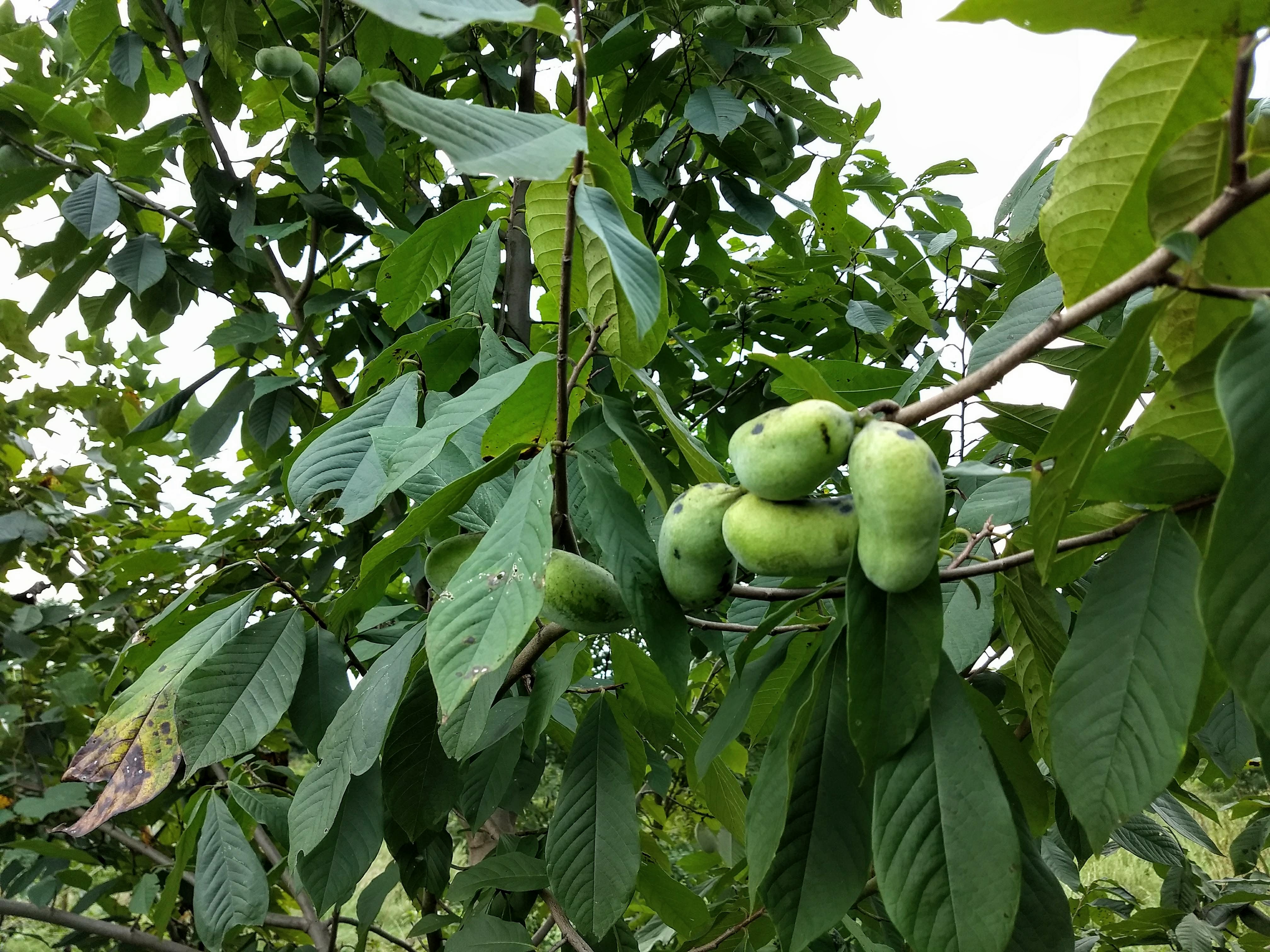
Asimina (pawpaws), Diospyros (persimmons), Malus (apples), Persea (avocados), and Prunus (cherries, plums, apricots).
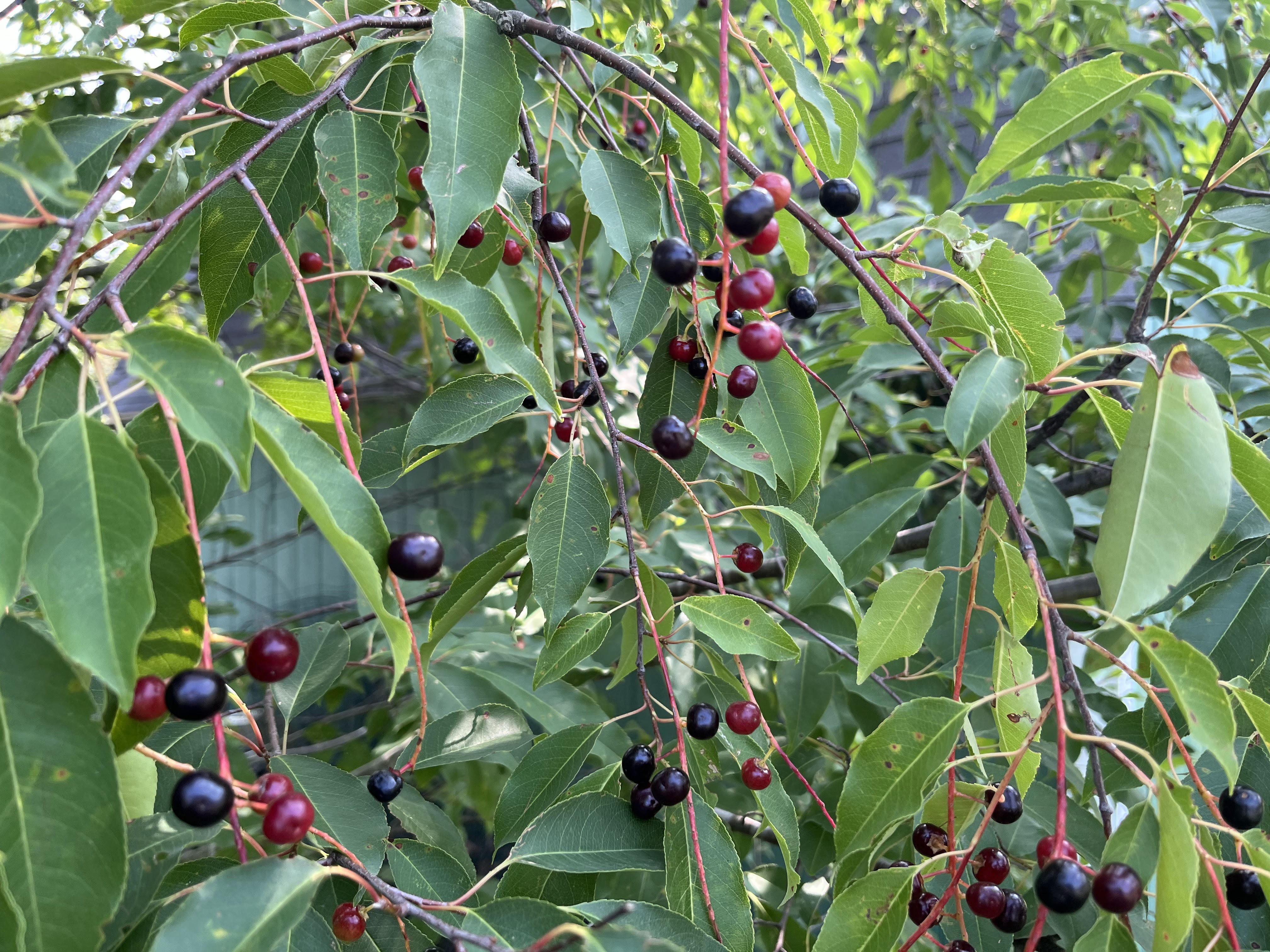
So, for example, there are wild Prunus species growing in Virginia, such as the American plum (Prunus americana) and the chickasaw plum (P. angustifolia). These species are relatives of the domesticated cherries, plums, apricots and more — This doesn’t mean that there will be an effort to domesticate the relatives themselves, necessarily — the cherry and plum have already been domesticated, of course. It just means that it’s important to maintain the germplasm (seeds, plants, and plant parts) of these relatives, as they may harbor genes that are crucial in resisting pests or adapting to climate change in the domesticated crop. (To learn more, read the page on crop wild relatives.) I’ve been growing some of these relatives in my yard and plan to add more — making my own little crop wild relative preserve! (Note: in the case of pawpaw, of course, there is not currently a domesticated crop. That is a topic for another day, as many local farms are marketing them and some folks are breeding them.)
Nut tree relatives targeted by the network:
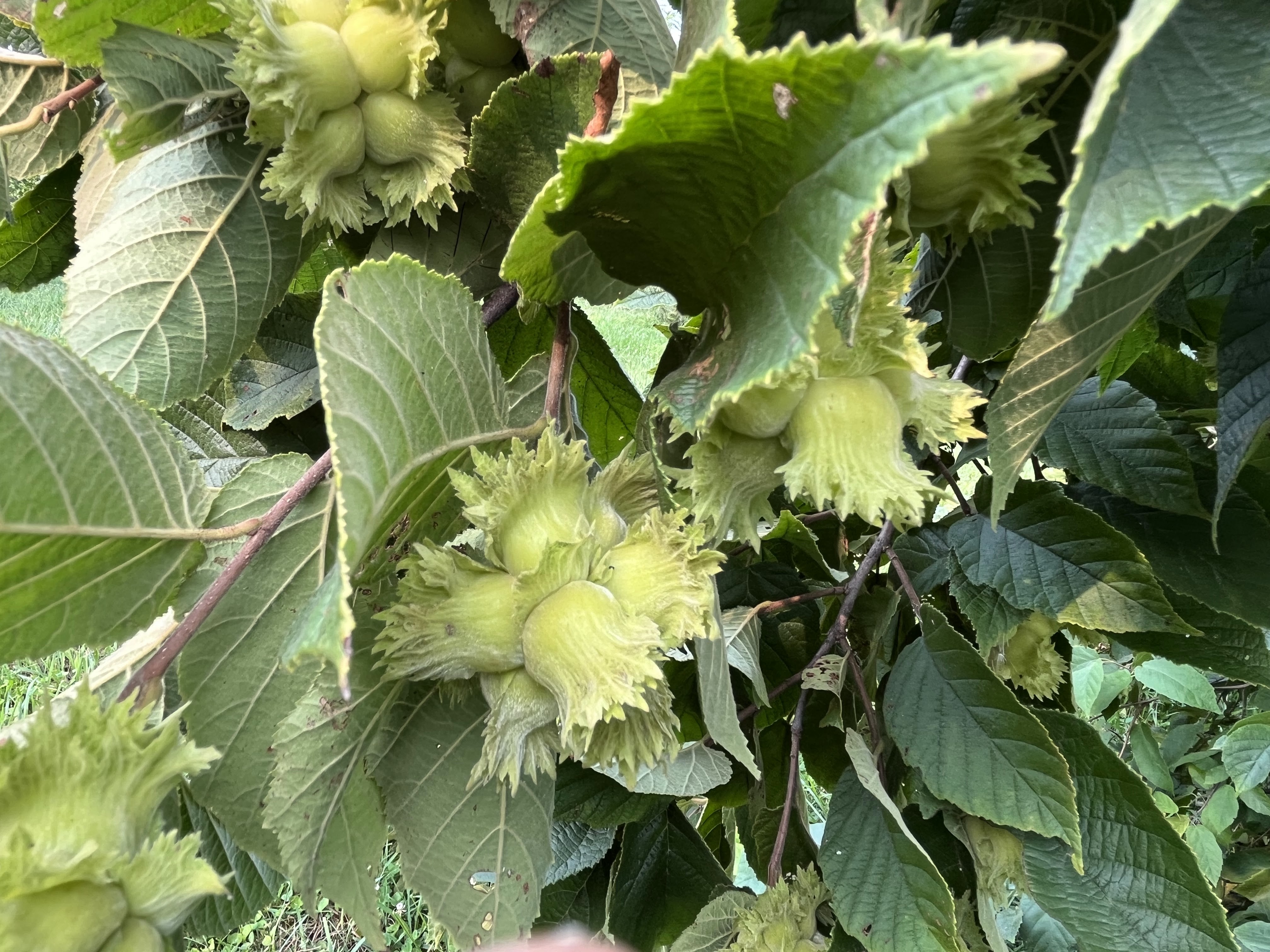
Carya (pecans), Castanea (chestnuts), Corylus (hazelnuts), Juglans (walnuts), Pistacia (pistachios)
A few photos, from my yard and elsewhere, of these relatives

 Plants & People