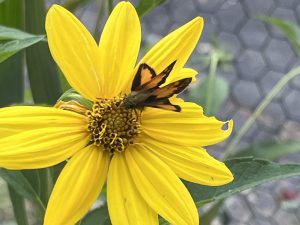
Crop wild relatives are simply the wild and weedy relatives of our crop plants. All crops have wild relatives, which can include the ancestor of the crop as well as many other relatives, usually in the same genus, but sometimes more distantly related.
These relatives are important resources for agriculture and food security. A crop species often has little genetic diversity — but its relatives harbor genes for many traits that the crop may need, in resisting pests and pathogens, or tolerating drought, flooding, cold and heat. Because the relatives continue to evolve in the wild, adapting themselves to conditions, they have the resistance and tolerance that may be called on by crop breeders.
Heirlooms, which many gardeners may grow in their yard, are also important reserves of agrobiodiversity. You can think of heirlooms, which are cultivars of the crop, as “within-crop” diversity, whereas the wild relatives are the species that are close relatives to the crop species. In traditional agricultural systems where heirlooms are associated with a particular place or group of people, they may be called landraces.
Crop wild relatives need to be conserved both ex situ (in seed banks, for example) and in situ (where they grow naturally).
Learn more here
Crop wild relatives you can grow in your yard
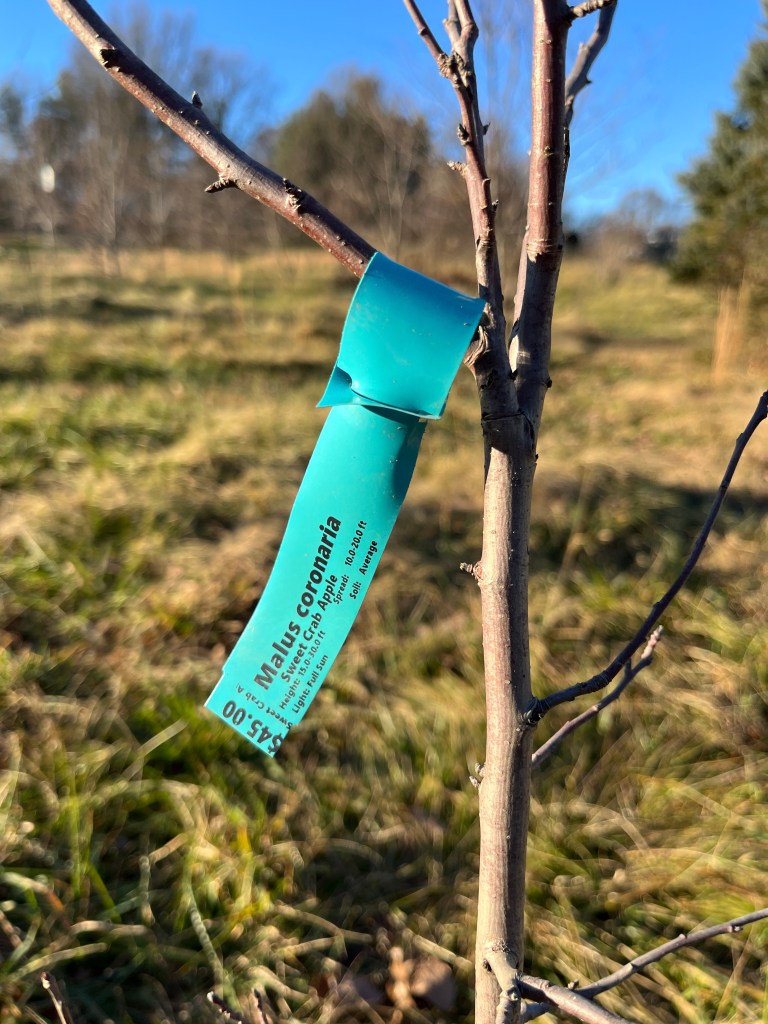
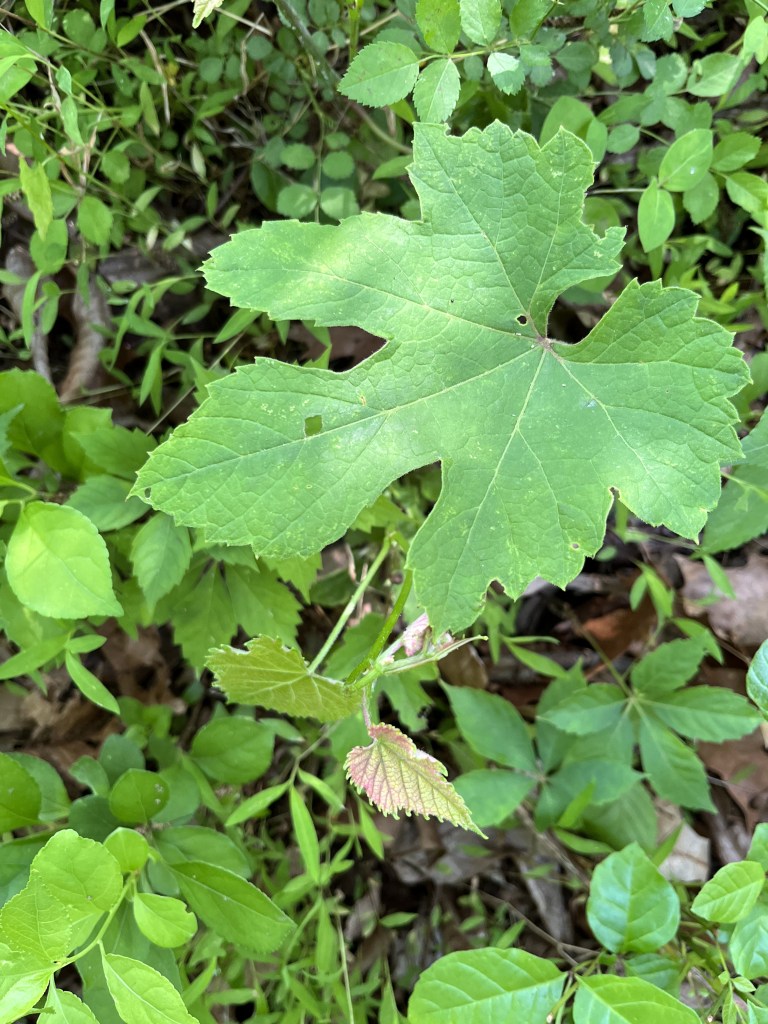
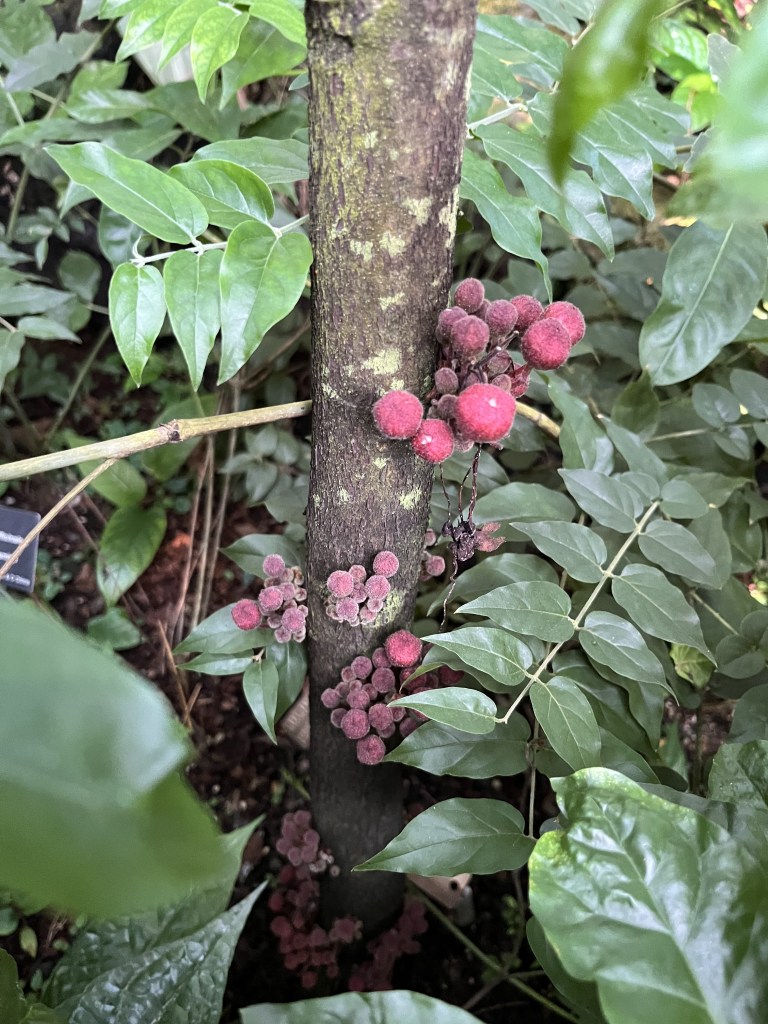
A sample of a few CWR:
 Plants & People